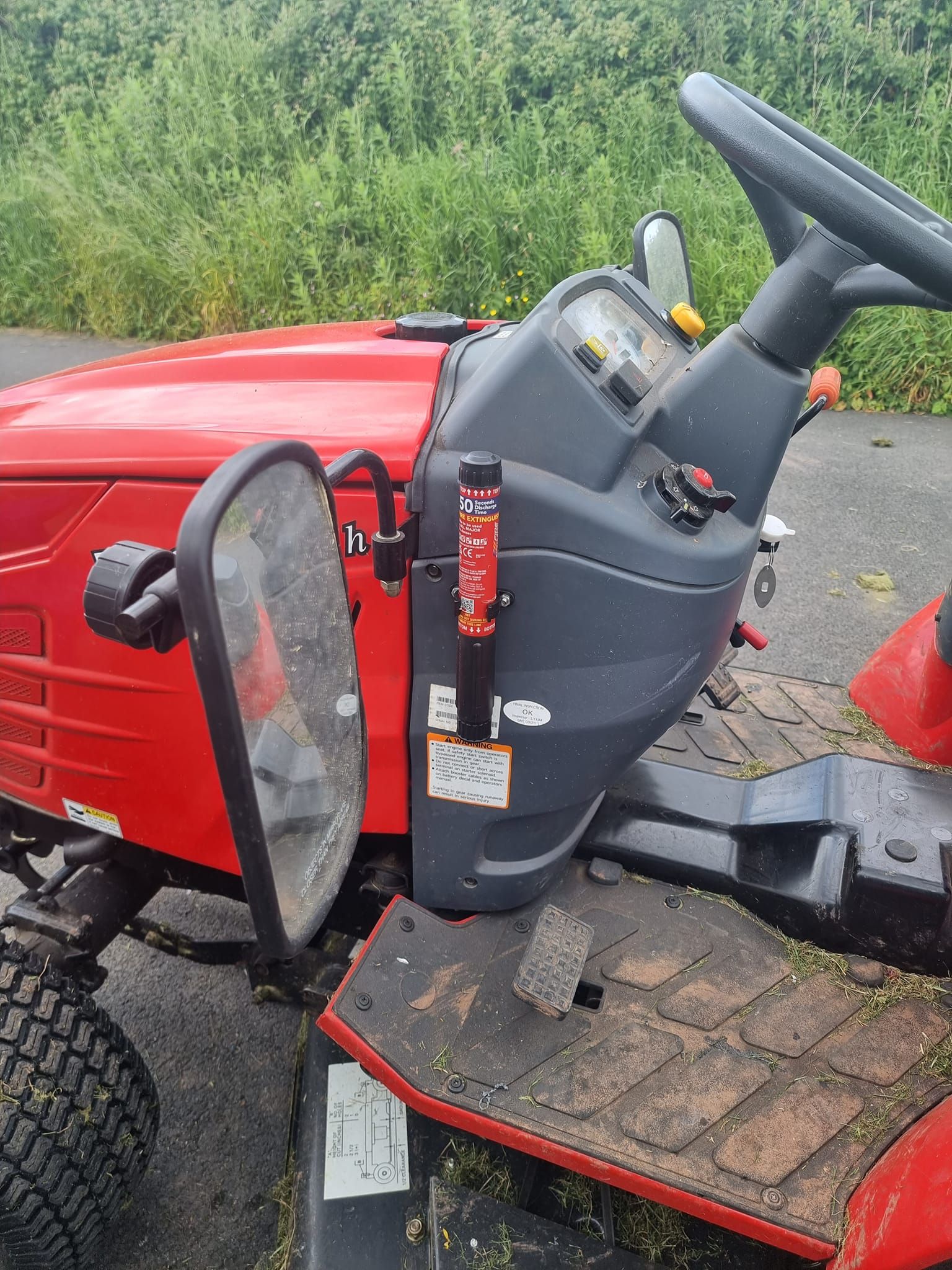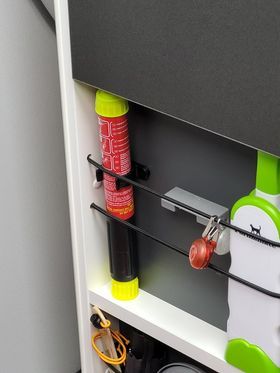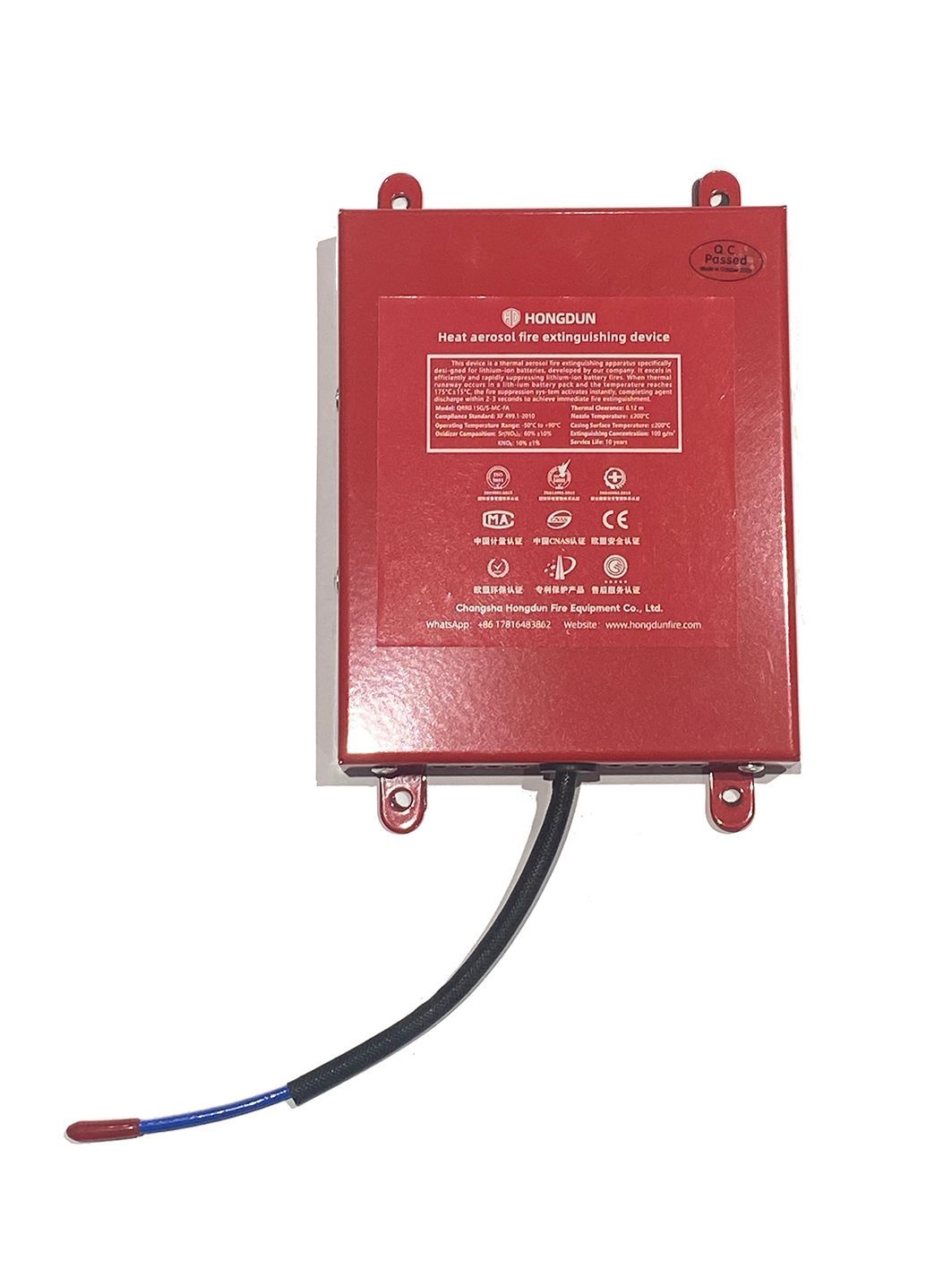
Self Actuating Pulse Stainless Steel Model.
Protects ≤1.5m³ ‡. 150g active ingredient
The Pulse Stainless Steel Model has been specially constructed for lead and lithium battery compartment protection. With 150g of active material it protects larger sized enclosed spaces up to 1.5m³ (53 cubic feet). The difference between this and other products is the pulse release mechanism and the unit’s special construction. The purpose is to intervene at the early stage of thermal runaway, and assist in discharging flammable gas through pressure fluctuation. This device is for early open flame suppression and delaying thermal runaway.
Release Time ≤10s. Size: 129x102x20mm
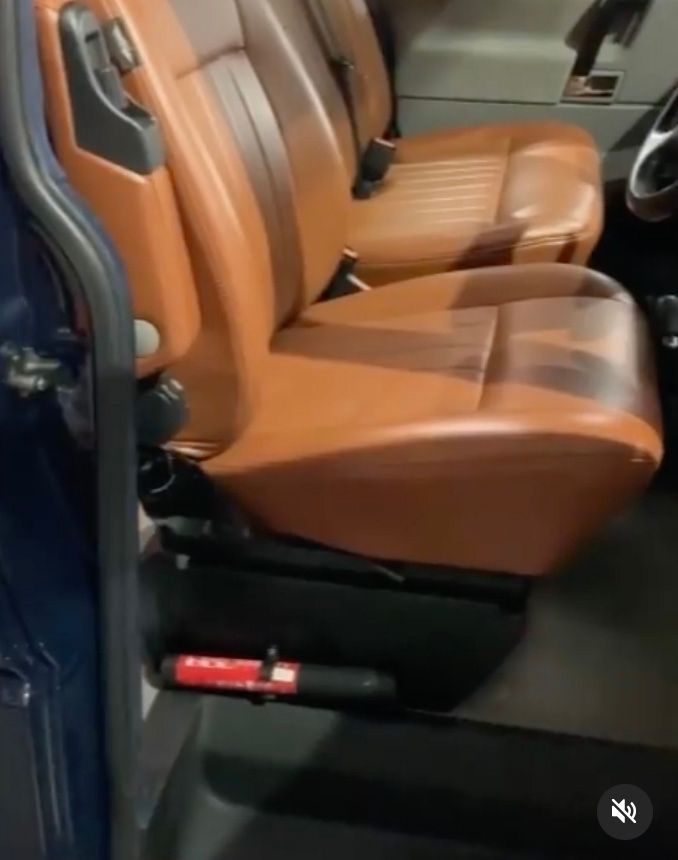
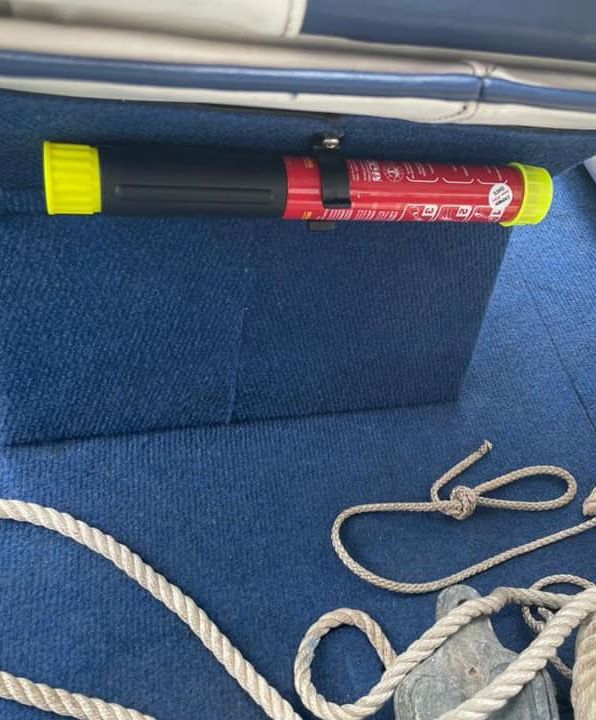
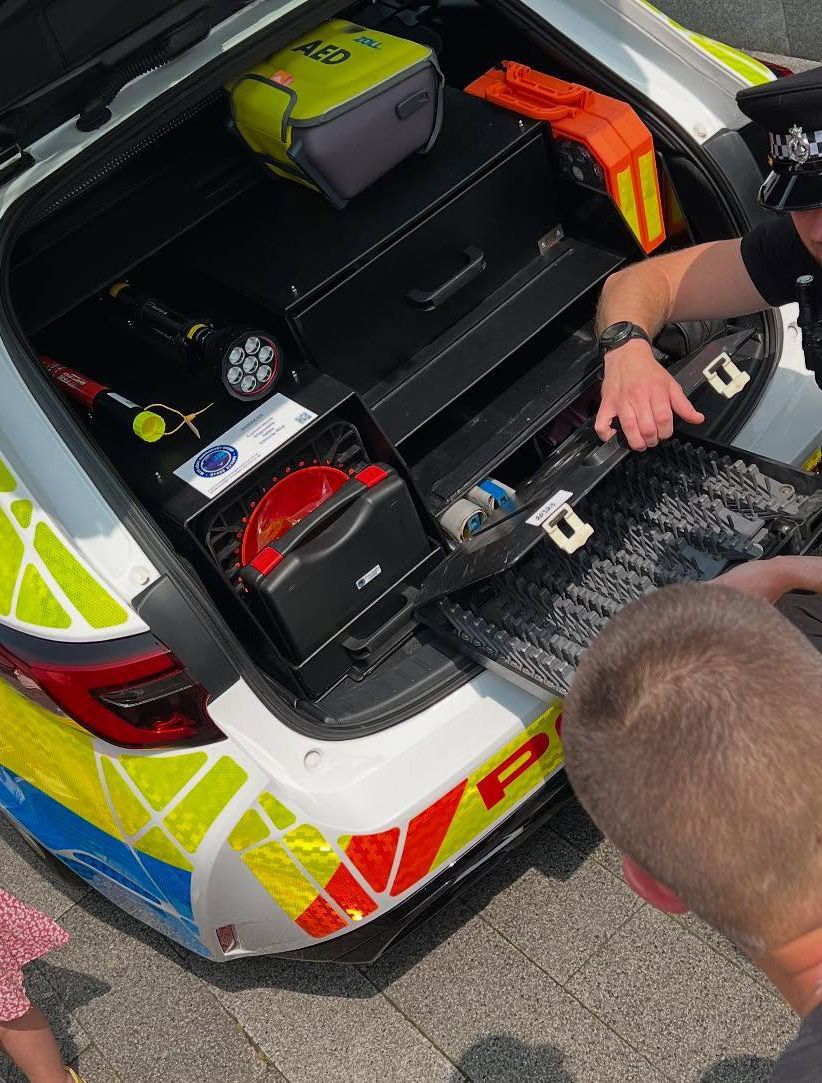
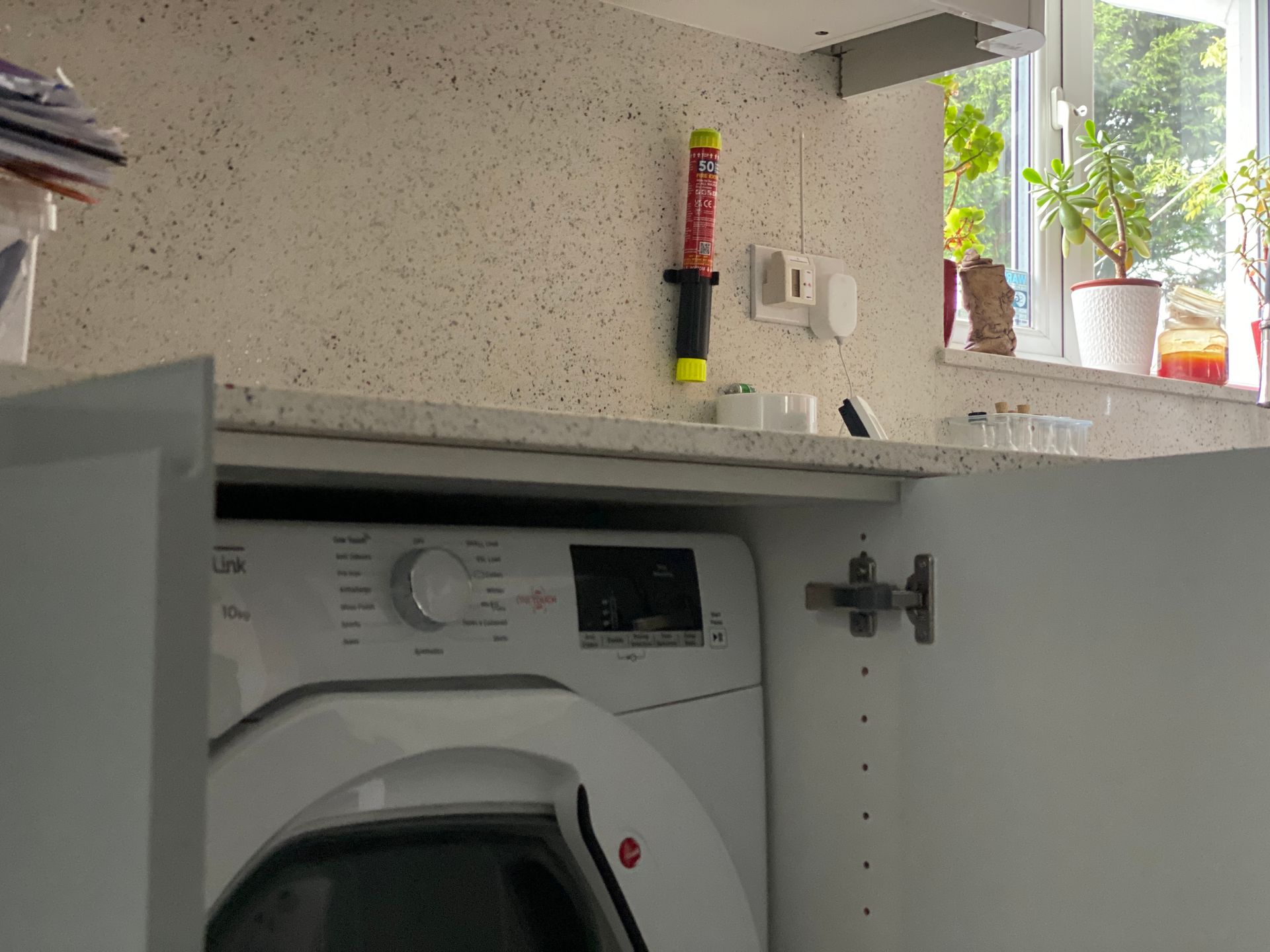
Compact but powerful, self-actuating fire suppression devices designed for enclosed high fire-risk spaces such as electrical cabinets, battery compartments, engine bays, 3D printers and technical enclosures in road and off road vehicles, boats, homes, workshops and factories.
They install in minutes, require no wiring or maintenance and suppress fire at its earliest stage using CE-certified aerosol technology. An aerosol combining strontium nitrate and potassium nitrate is released when temperatures reach approximately 170°C or the activation element comes into contact with direct flame.
No electricity, batteries or human activation needed. Just peel, stick – or screw – in place for protection 24 hours a day, 7 days a week for up to 10 years †. Each device c ontains quant ities of active ingredients that are calculated to offer protection based on an area’s approximate volume.
† Dependent on location ‡ Test conditions.
Important Safety Limitations
1. Enclosed Spaces Only: The chemicals within the devices mentioned above only work if they are deployed inside a sealed or semi-enclosed environment (like a battery box or cabinet). If used in an open room, the aerosol cloud could dissipate too quickly to be totally effective.
2. Thermal Runaway Threat with Lithium Batteries: While the aerosol can quickly knock down the visible flames, lithium-ion battery fires are driven by an internal chain reaction called thermal runaway, which generates its own oxygen and intense heat. So when it comes to lithium batteries there is a high risk of re-ignition, even if the open flames have been extinguished, and immediate evacuation is required.
3. Re-ignition: With all fires and fire suppression devices, there is a risk of re-ignition once the open flames have been extinguished, if the fuel supply (e.g. gas, petrol etc.) is still available and exposed to the original heat source. In these cases the supply should be shut off as soon as safely possible.
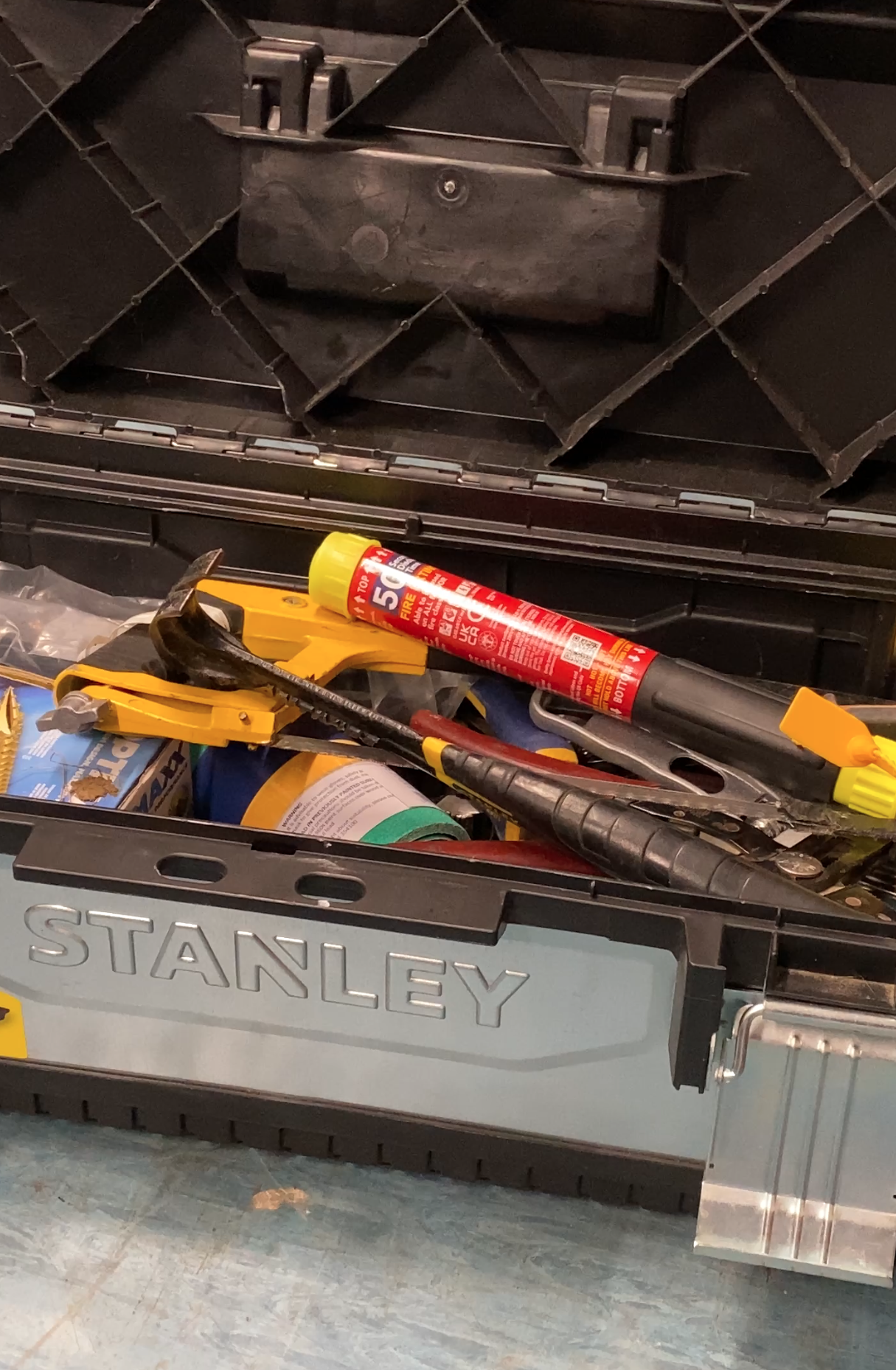
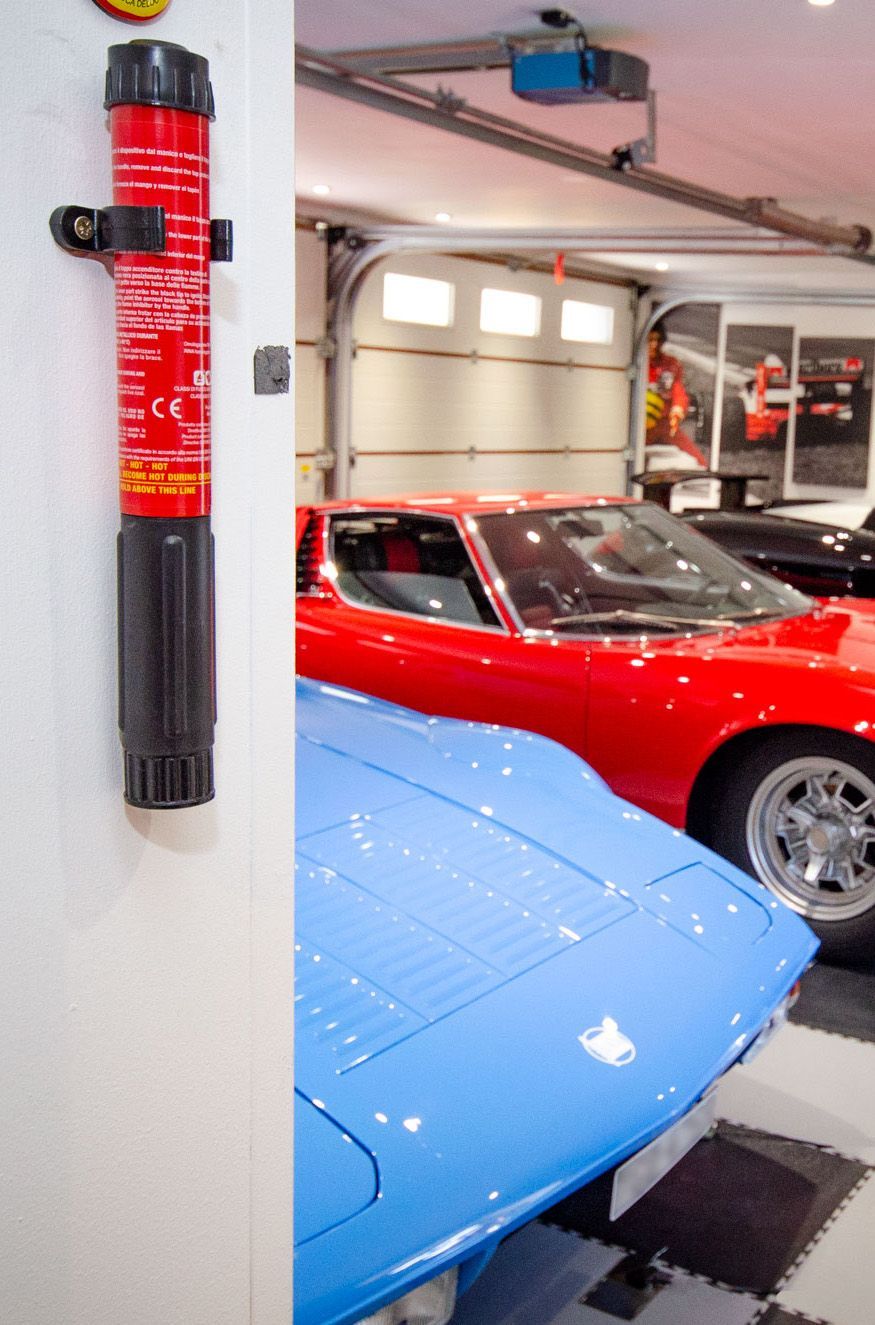
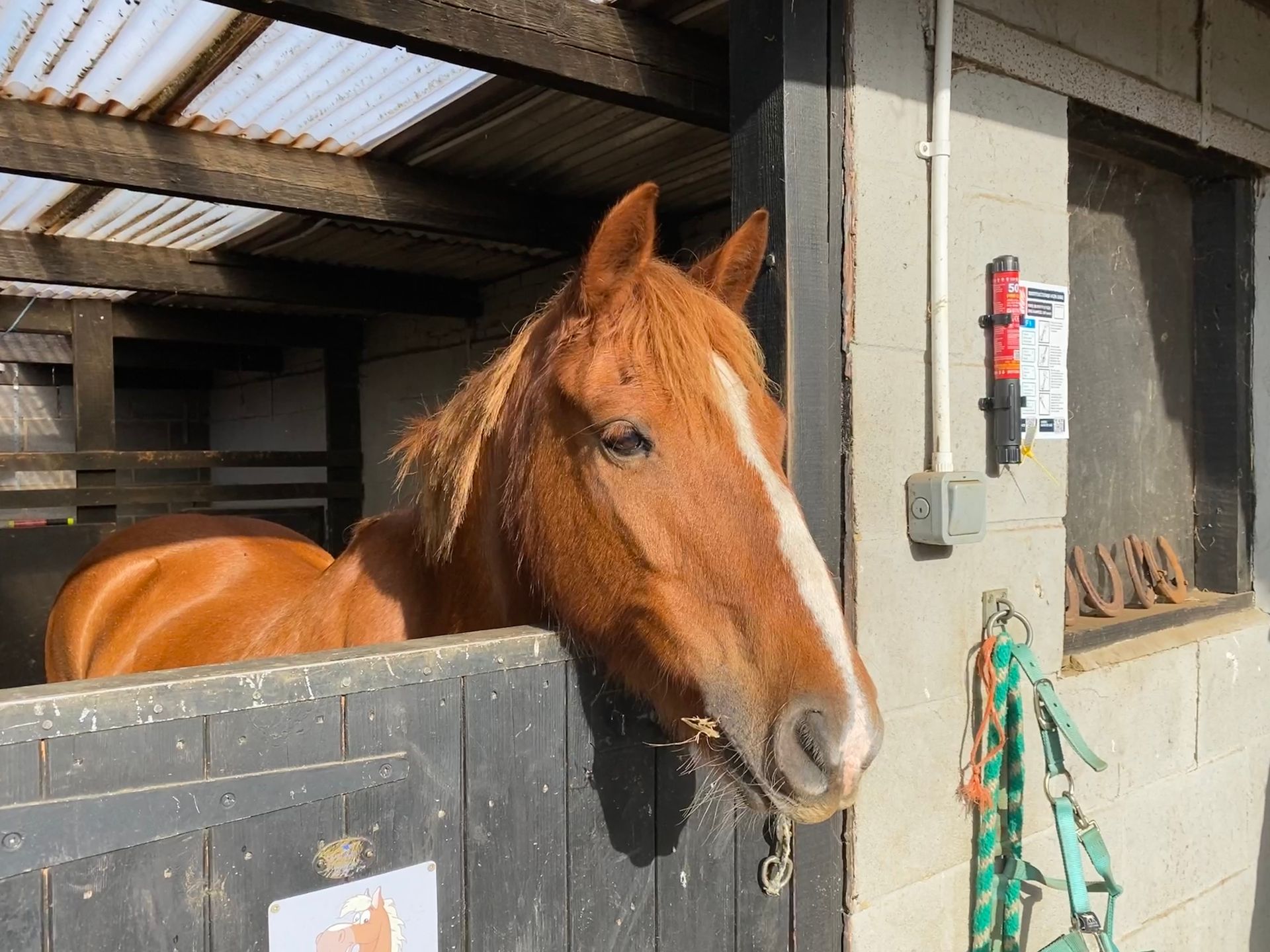
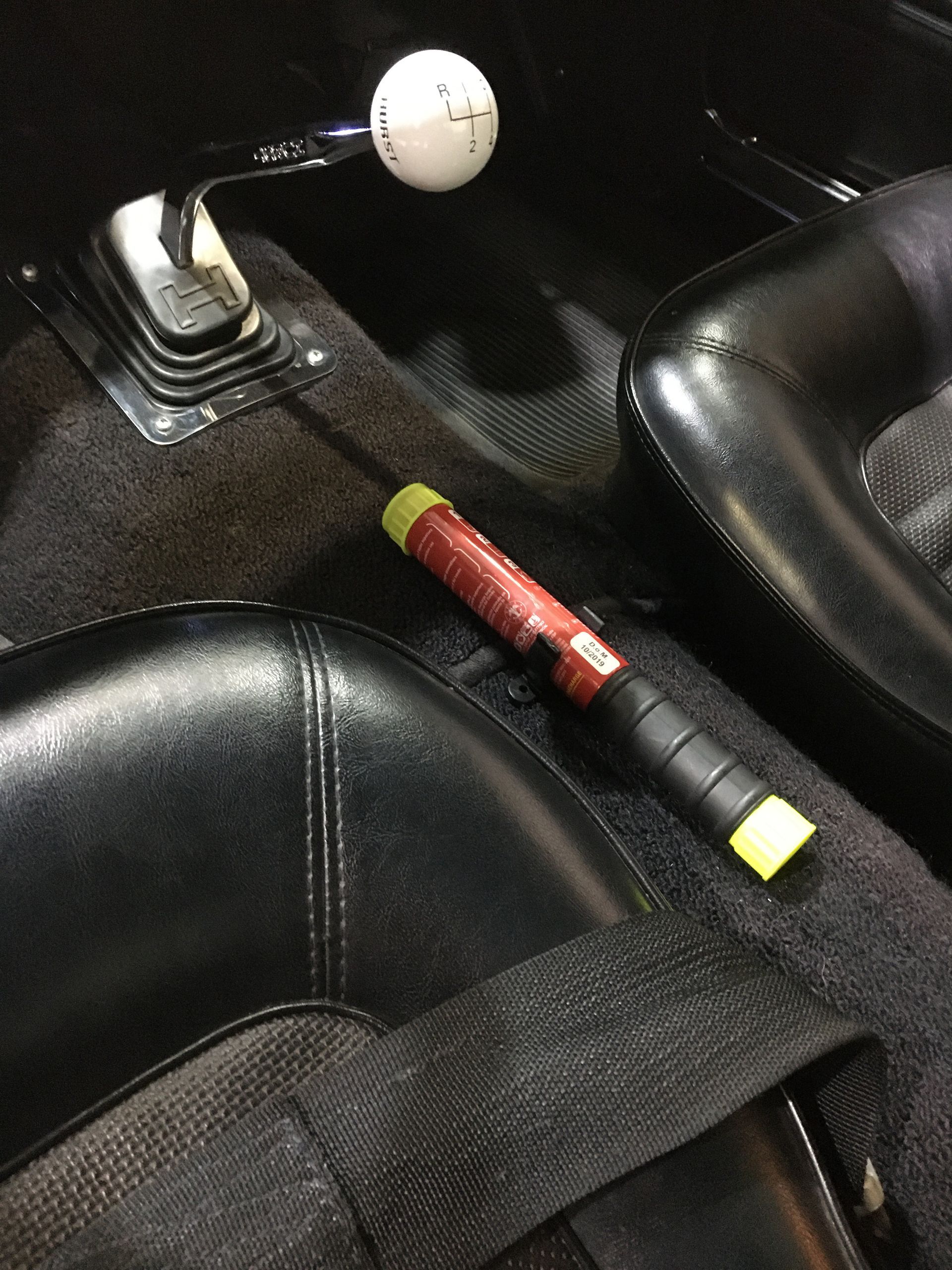
Place the Fire Safety Stick anywhere a fire may occur
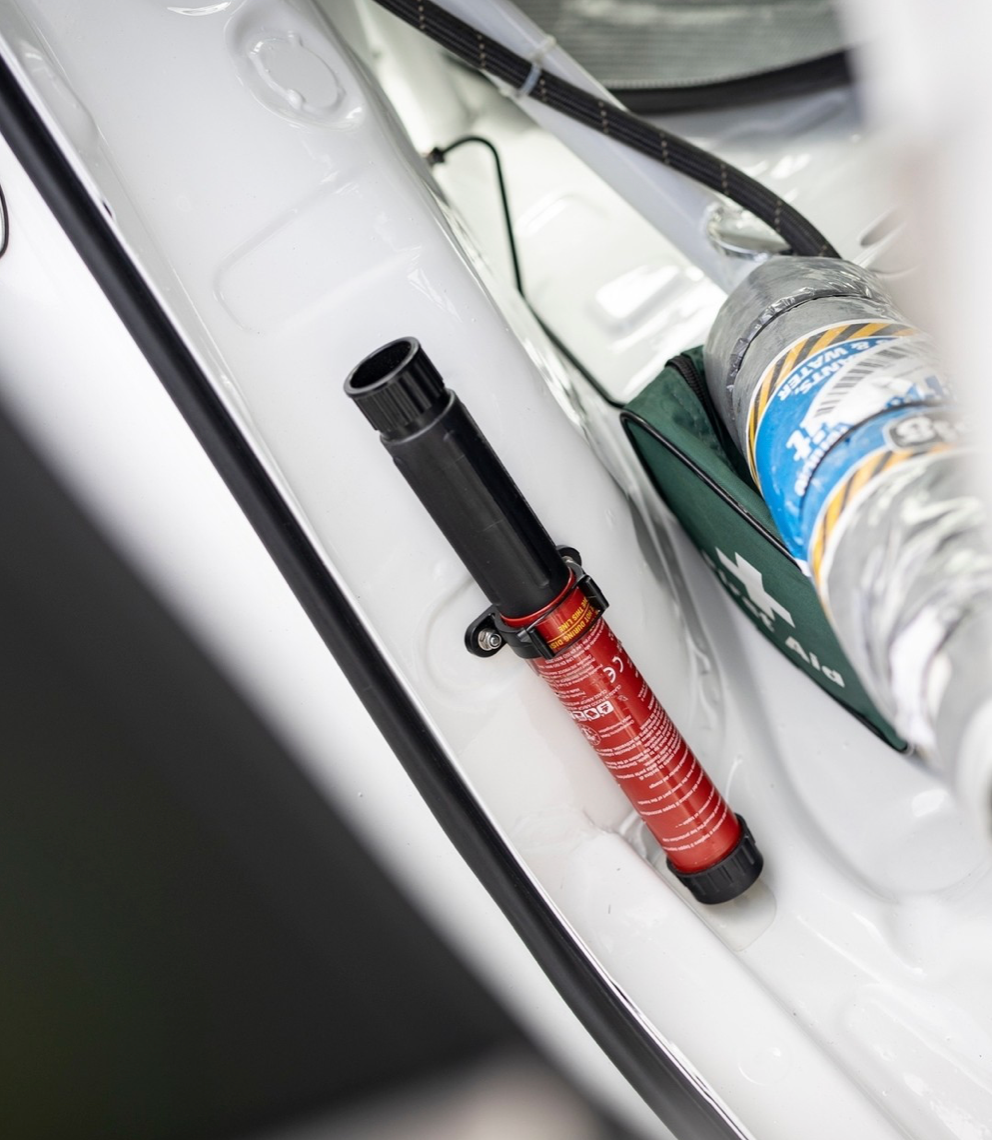
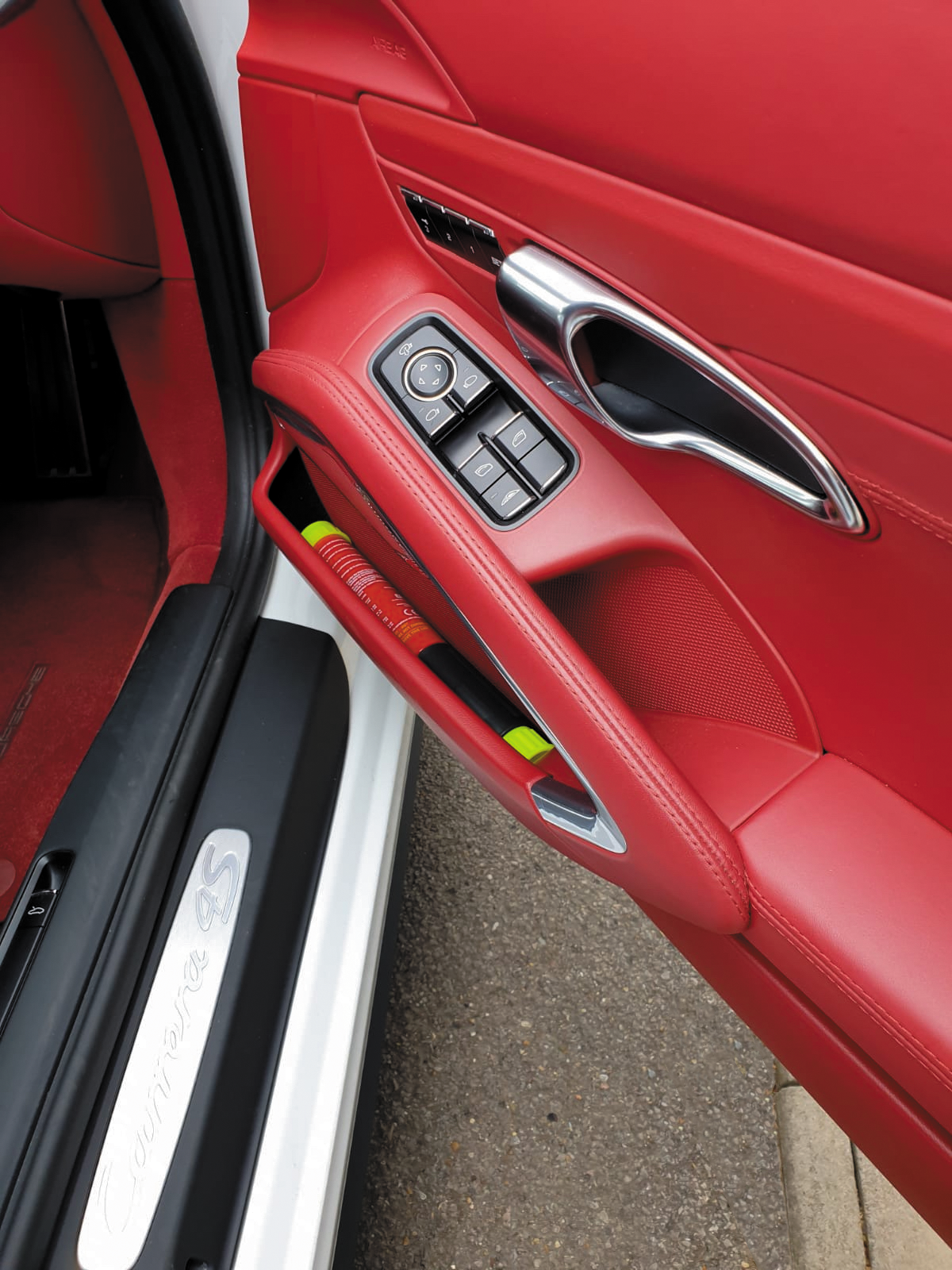
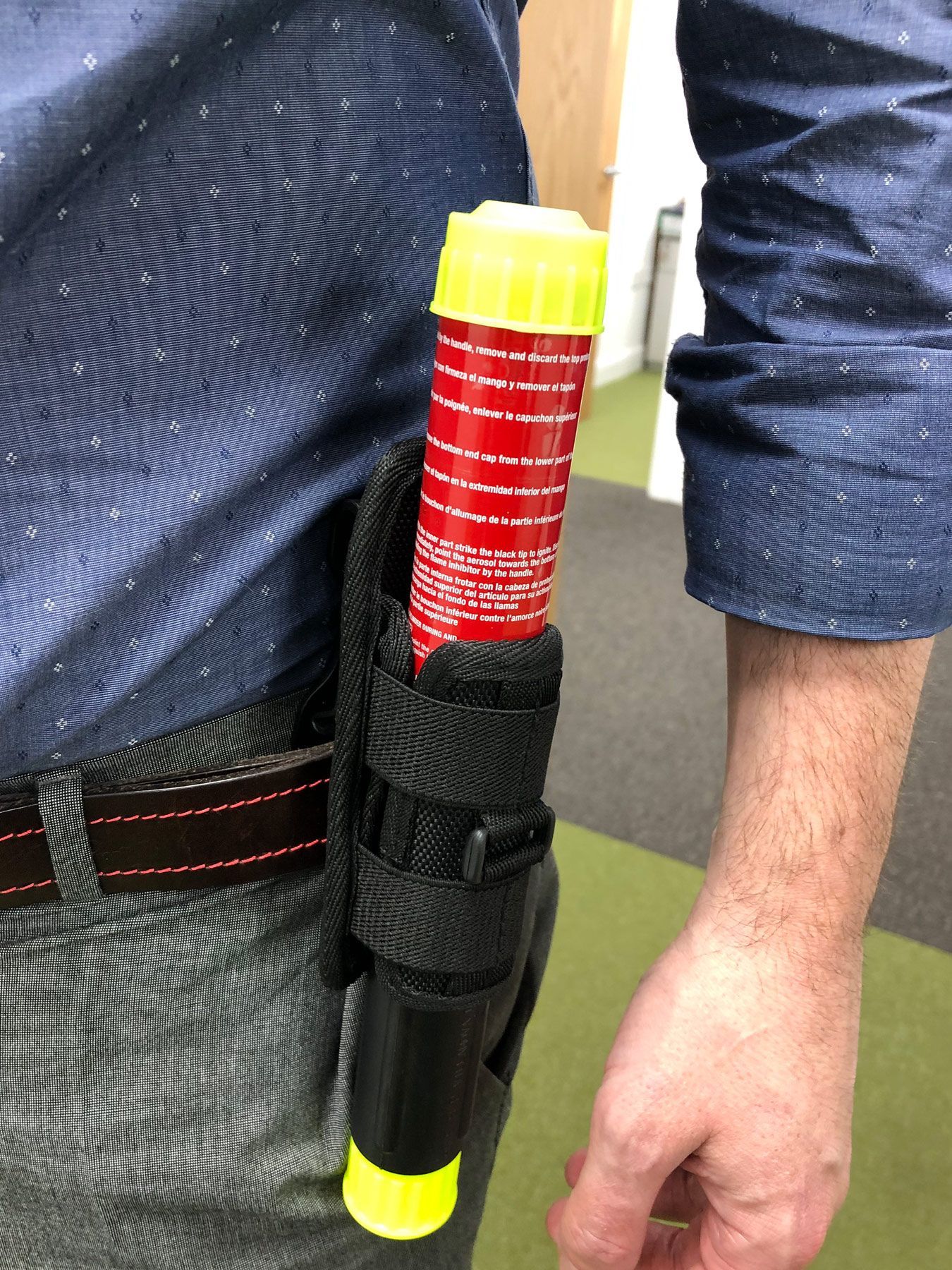
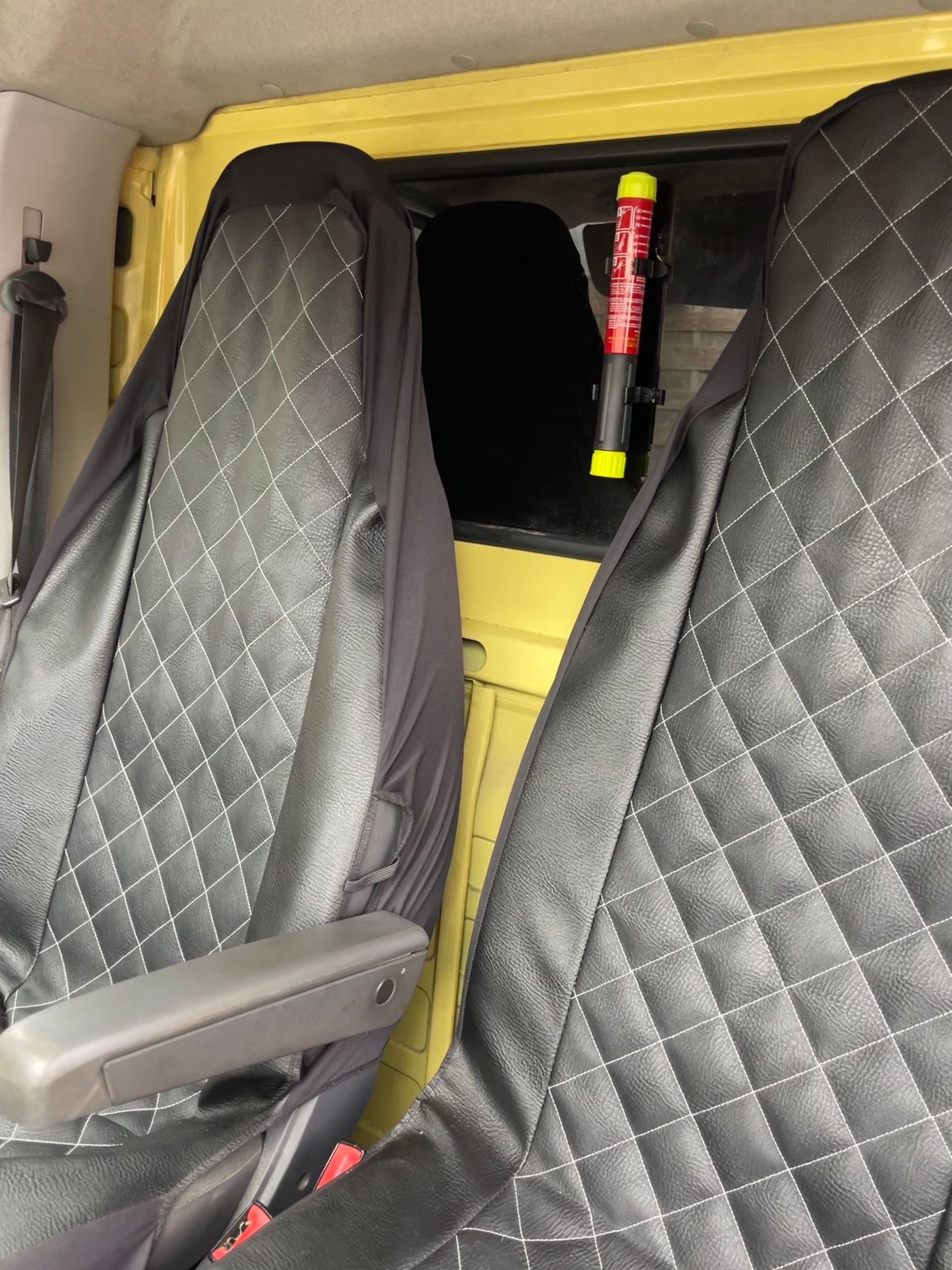
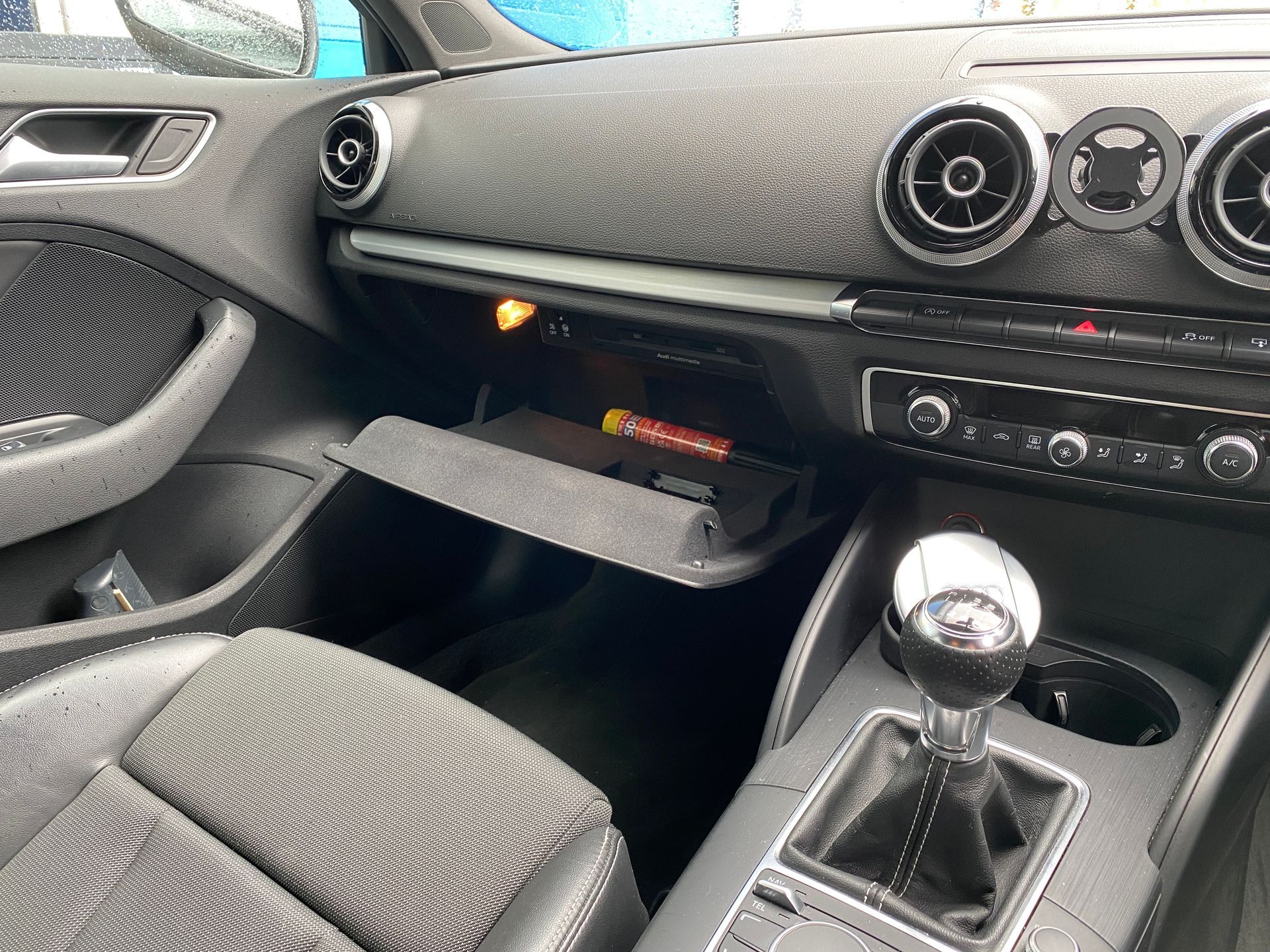
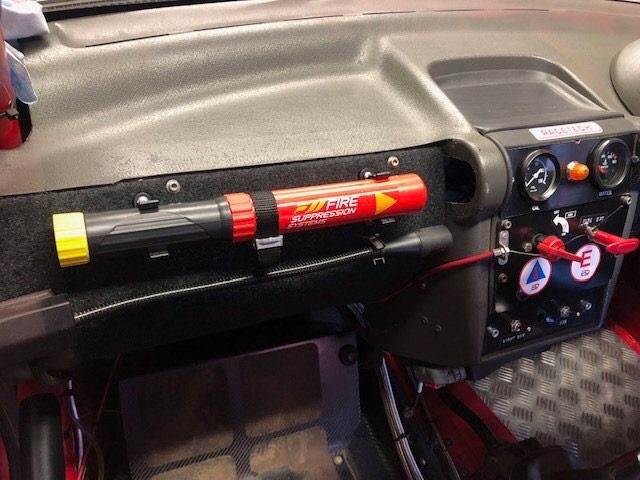
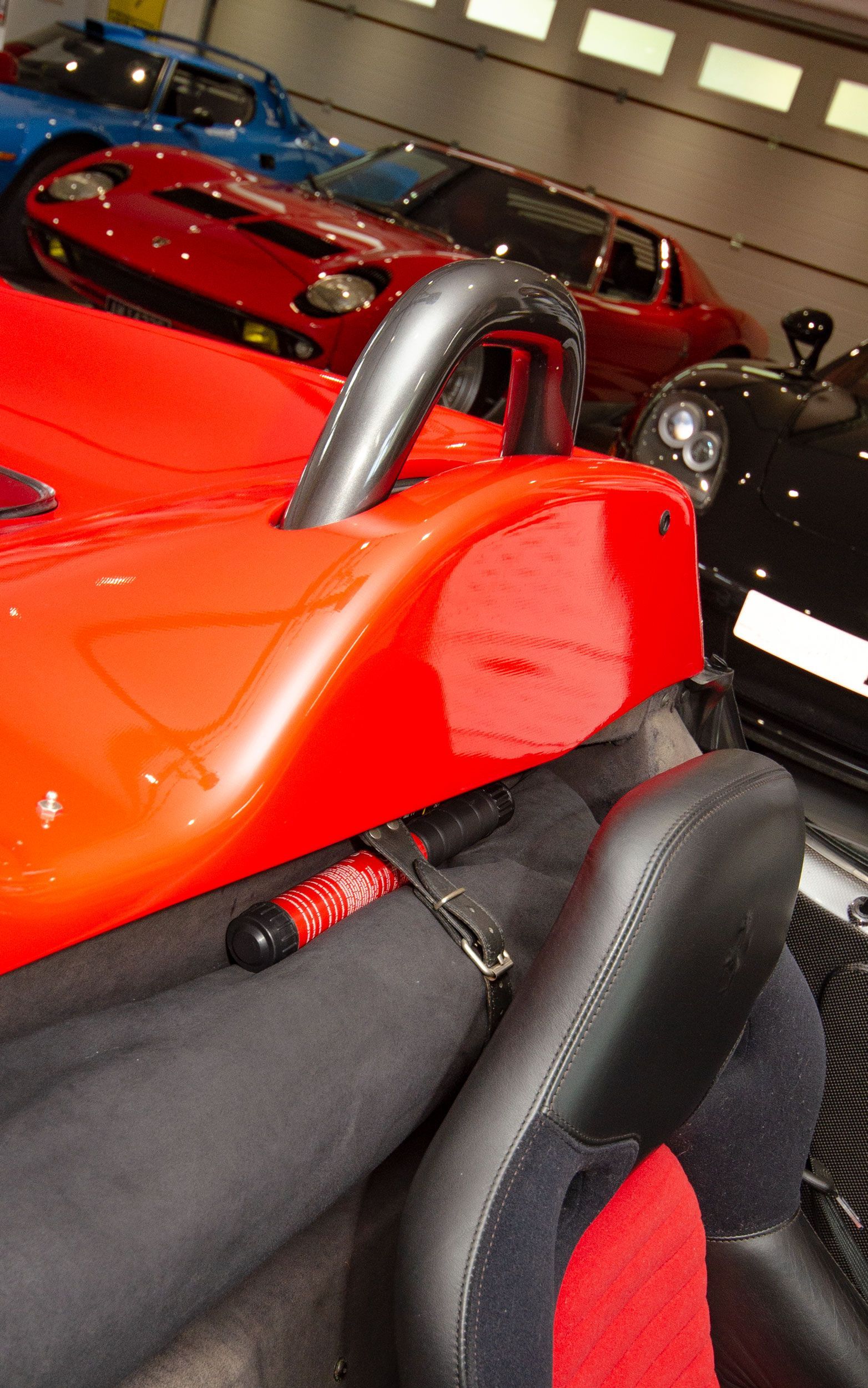
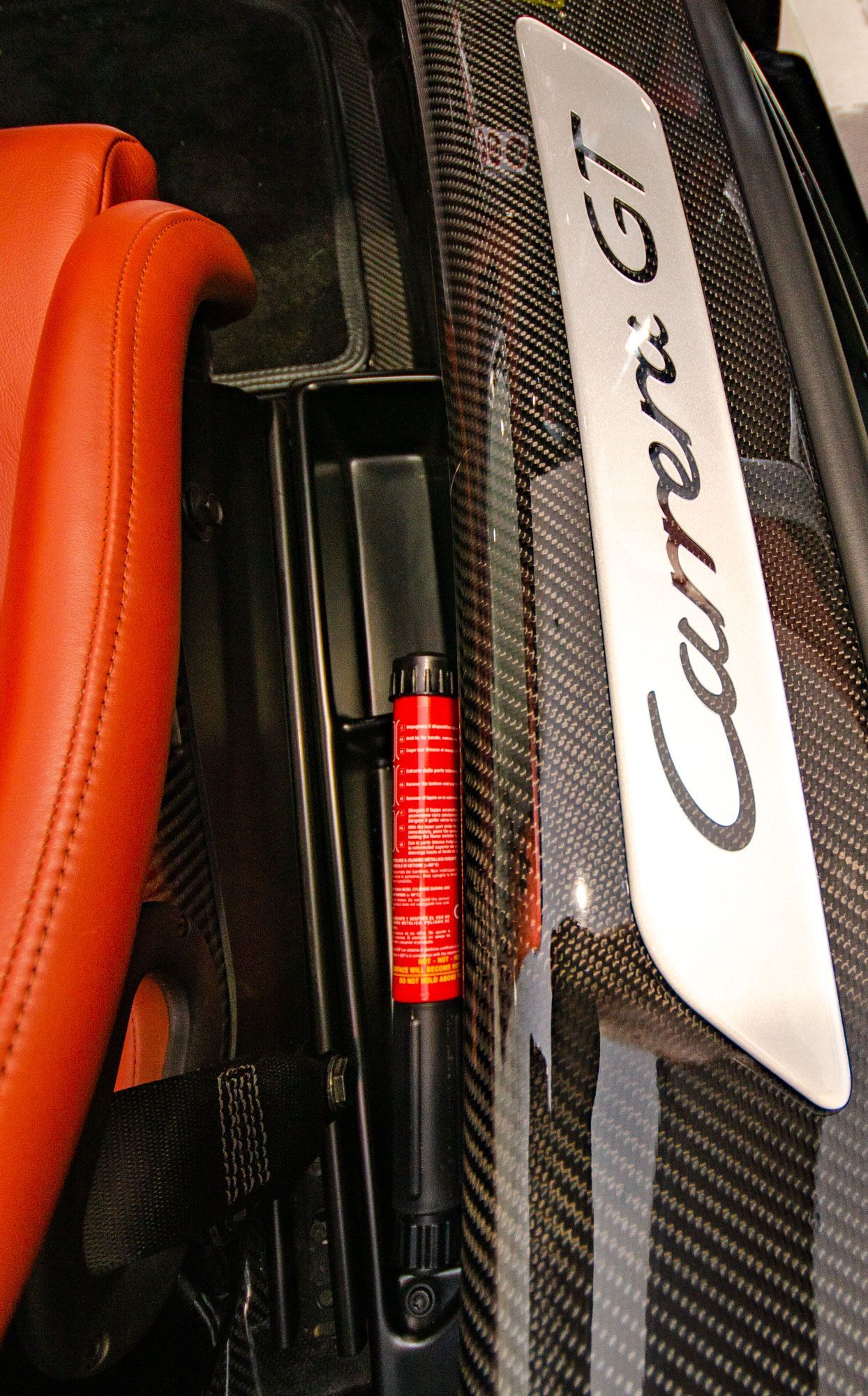
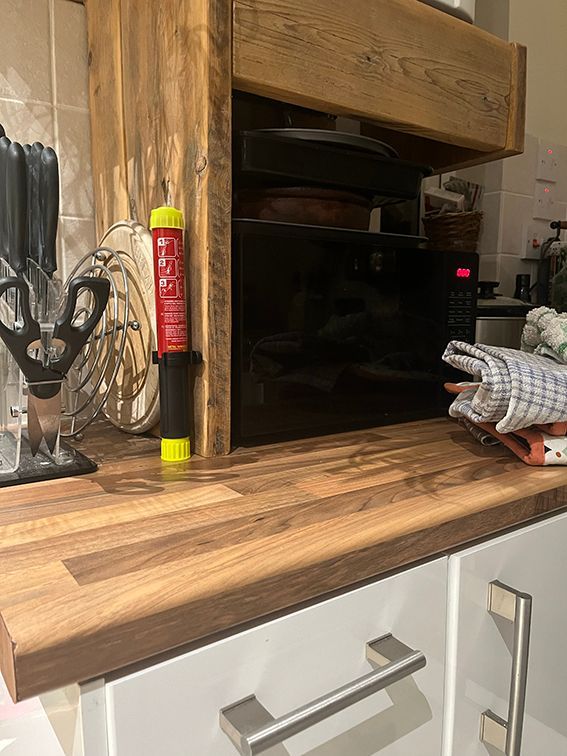
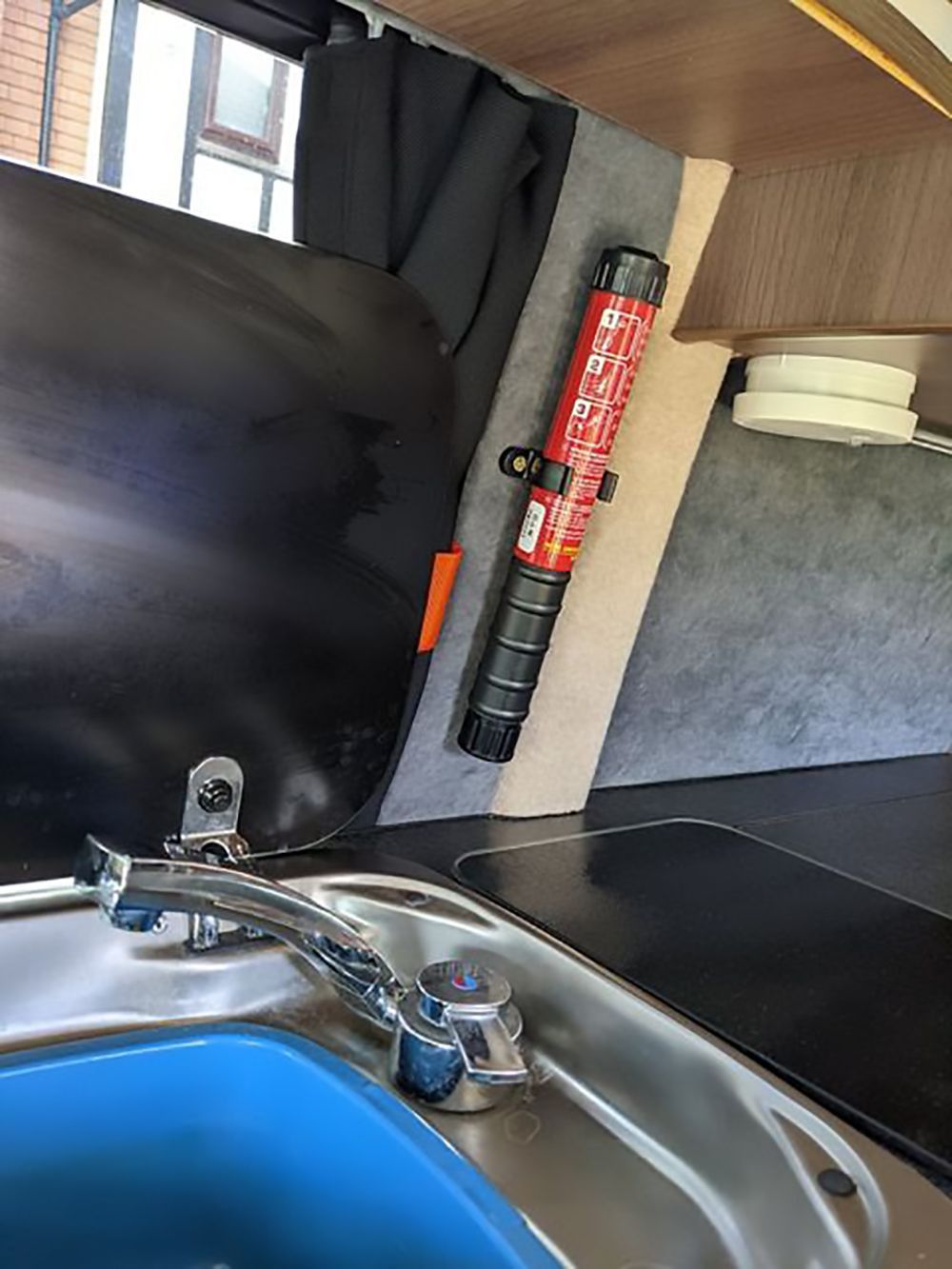
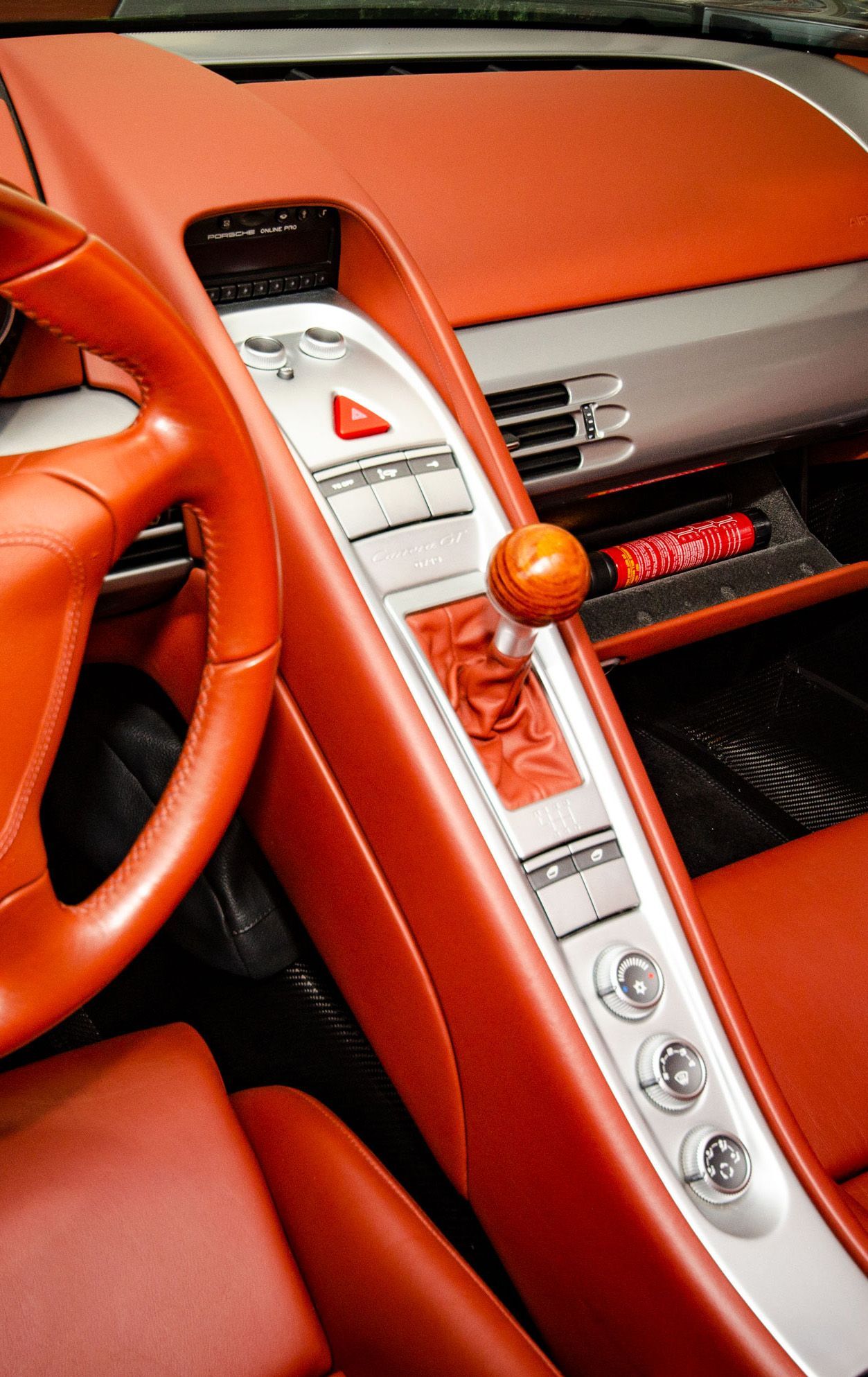
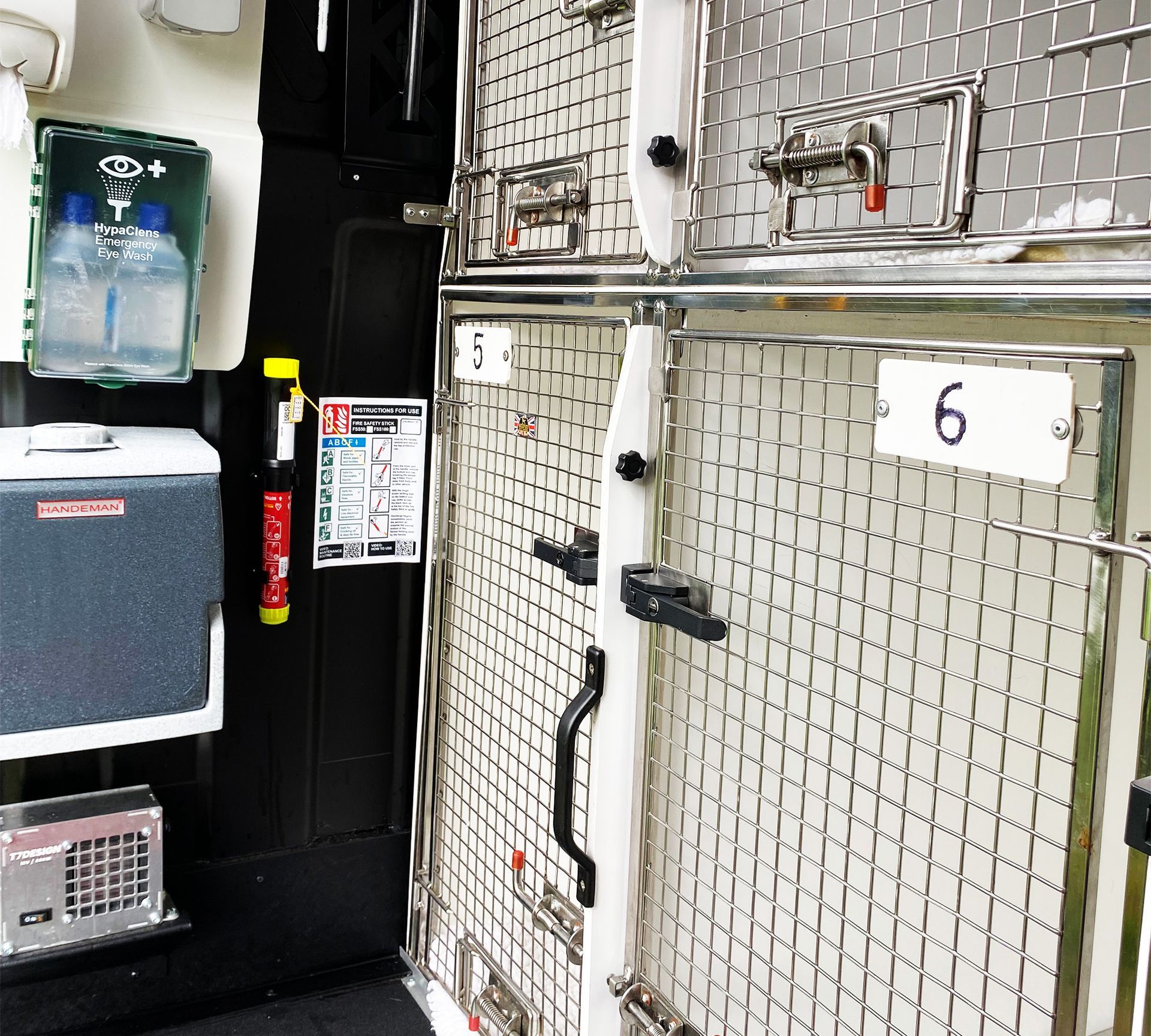
Here are just some of the environments where people place their Fire Safety Sticks. Close and always to hand. Campervans, caravans, motorhomes, classic cars, tractors, garages, offices, boats, vans, horse boxes, kitchens, utility rooms, next to chimneys and wood burners, rental properties ... etc., etc.,